Mild Steel
We carry or can order a wide range of materials including alloys, aluminum, brass, bronze, cold rolled steel, hot rolled steel, copper, stainless steel, and tool grade steel. Materials are available in lengths up to 20 feet and can be cut to any required length.
To support this service, Raven Metal has added three new welding stations and expanded our team of welders. We are equipped to bend, cut, or punch all grades of steel, supporting both standard requirements and custom fabrication.
Mild Steel Services
Our Mild Steel division is located on the lower floor of our shop and supports a range of fabrication and welding needs. Whether you require material supply, cutting, or custom work, our goal is to make your mild steel and custom fabrication needs as simple and efficient as possible.
What Is an Alloy?
An alloy is a combination of metals or a combination of one or more metals with non-metallic elements. Changing the composition of an alloy alters its properties.
For example:
- Gold combined with copper produces red gold
- Gold combined with silver produces white gold
- Silver combined with copper produces sterling silver
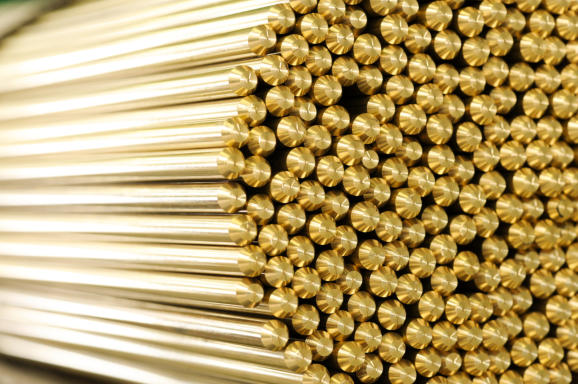
Brass
Brass is an alloy of copper and zinc, with proportions that can be adjusted to achieve different mechanical and electrical properties. It is a substitutional alloy, meaning atoms of the two elements replace each other within the same crystal structure.
Brass properties vary based on zinc content:
- Increased zinc improves strength and ductility
- Colour ranges from red to yellow, depending on zinc percentage
- Brass with 32% to 39% zinc has improved hot-working properties
- Brass with over 39% zinc (such as Muntz Metal) has higher strength but lower ductility at room temperature
Bronze
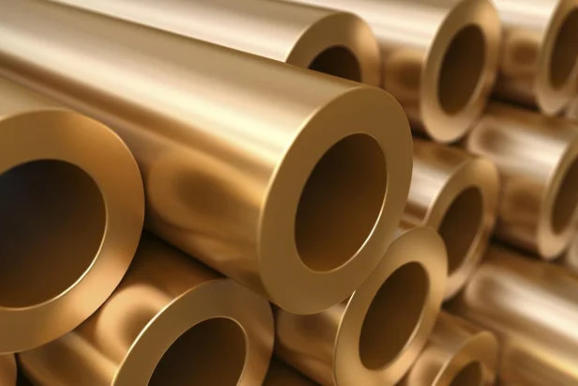
Bronze is one of the earliest metals known to humans. It is typically defined as an alloy of copper and another metal, most commonly tin.
Modern bronze usually contains 88% copper and 12% tin, though other elements such as manganese, aluminum, nickel, phosphorus, silicon, arsenic, or zinc may be included.
Historically, bronze referred to copper-tin alloys and brass to copper-zinc alloys. In modern usage, the distinction has blurred, and copper alloys are often broadly referred to as brass. In science and engineering, bronze and brass are defined by their specific elemental composition.
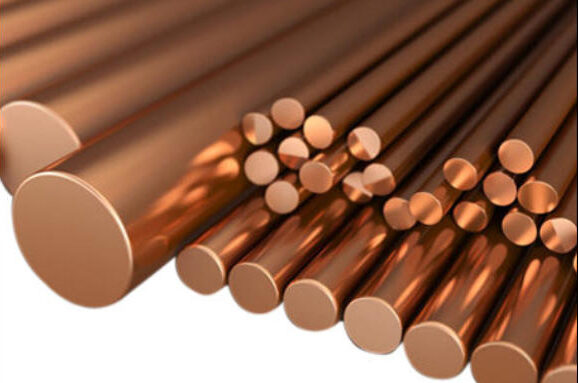
Copper
Copper has been used since ancient times as a durable, corrosion-resistant, and weather-resistant architectural material. Historically and today, copper is used for:
- Roofs and flashings
- Rain gutters and downspouts
- Domes, spires, vaults, and doors
Modern architectural uses include:
- Interior and exterior wall cladding
- Building expansion joints
- Radio frequency shielding
- Antimicrobial and decorative elements such as handrails, fixtures, and countertops
Additional benefits of copper include low thermal movement, light weight, lightning protection, recyclability, and the development of a distinctive green patina. This patina forms a durable protective layer that resists atmospheric corrosion and protects the underlying metal.
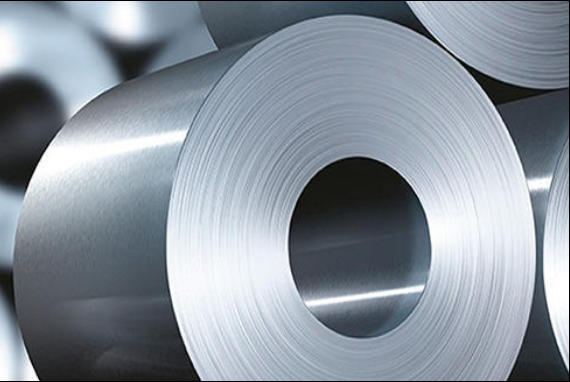
Cold Rolled Steel
Cold-formed steel refers to steel items shaped through processes performed close to room temperature, such as bending, squeezing, rolling, and pressing.
Cold rolled steel (CRS) stock bars and sheets are widely used in fabrication and construction. Thin gauge cold-formed steel is commonly used in the construction industry for both structural and non-structural components, including:
- Studs and joists
- Beams and columns
- Floor decking
- Built-up sections and framing components
These applications have grown steadily in Canada since standardization in 1946.
Hot Rolled Steel
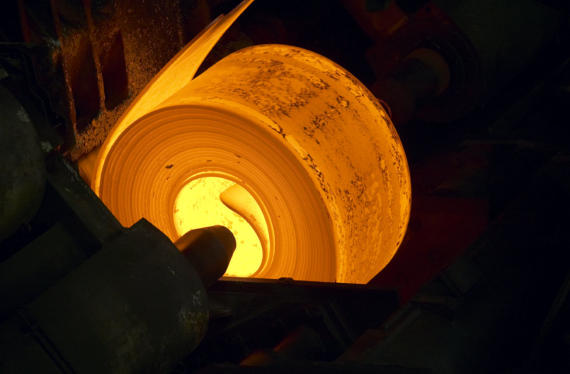
Hot rolled steel is steel that has been roll-pressed at very high temperatures, typically above 1,700°F, which is above the recrystallization temperature for most steels.
Hot rolled steel is ideal for applications where tight tolerances and precise shapes are not required. It is commonly used in the welding and construction trades for products such as I-beams and railroad tracks, as well as other structural components.
Aluminum
Aluminum is a lightweight, durable, and highly functional engineering material. It is a silvery-white metal and the third most common chemical element on Earth, after oxygen and silicon.
Aluminum is widely used in:
- Homes and modern interiors
- Automobiles, trains, and aircraft
- Electronics such as mobile phones and computers
- Everyday products including appliances and fixtures
Although aluminum is abundant and widely used today, very little was known about the metal just 200 years ago.
Request a Quote
Ready to talk metal? We make it easy. Contact us today and let our team bring your vision to reality.